
Cheapest Way to Build a House in Australia (Canberra, ACT Specified)


Published by Adeel Virk
Adeel is a founder & project manager at Virk Construction Management, delivering ethical, high-quality residential and commercial projects in NSW and Canberra.
Building a house is one of the largest financial commitments most Canberra and NSW families will make. In a market where land, labour, and material costs continue to rise, the difference between an efficient build and an expensive one often comes down to decisions made before the first slab is poured. Thoughtful planning, the right building method, and disciplined project management determine whether a family gets a durable, comfortable home within budget or faces cost blowouts partway through construction.
Virk Construction Management has delivered residential projects across Canberra and NSW for over seventeen years, working under an Open Book cost model that keeps clients informed at every stage. This guide draws on that experience to break down the real levers that affect build cost, and where each decision fits into the broader construction process.
Choosing the Right Building Method
The structural system selected at the design stage has more influence on final cost than almost any other decision, because it determines material spend, labour hours, and long-term maintenance.
Traditional Brick Veneer Construction: Brick veneer remains popular in Canberra and NSW because of its thermal mass and durability, though it typically costs more in both materials and labour than lightweight alternatives. The masonry work also extends construction time, since bricklaying is weather-dependent and cannot be rushed without compromising quality.
Lightweight Timber Framing: Timber framing built to AS 1684, the Australian Standard for residential timber-framed construction, is generally faster to erect and more cost-effective than brick veneer. When lined with fibre cement panels, it delivers strong thermal performance for a lower material cost and gives designers more flexibility for open plan layouts.
Steel Framing: Steel framing costs more upfront than timber but performs well in bushfire-prone areas, since it does not carry the same combustibility risk. For NSW properties in higher Bushfire Attack Level zones, this can offset the initial price difference through reduced long-term maintenance and insurance considerations.
For most economically minded homeowners in the region, timber frame construction paired with durable cladding offers the strongest balance of upfront cost and long-term performance.
Site Selection and Preparation
Land conditions affect cost long before construction begins, and this is where many budgets get stretched without homeowners realising it early enough.
Flat land reduces cost. Sloping blocks in Canberra's outer suburbs often require retaining walls, additional excavation, and soil stabilisation, all of which add to the base build price.
Soil classification determines footing design. Under AS 2870, sites are classified from Class A through to Class P, with reactive clay sites common in parts of the ACT and NSW often falling into Class M or H1. These classifications require deeper or reinforced footings, which increases both material and engineering costs.
Utility access affects logistics. Blocks with easy connection to water, electricity, and sewerage keep servicing costs down. Remote or difficult access blocks add trenching, haulage, and coordination expenses that are easy to underestimate at the planning stage.
Choosing a site with fewer preparation requirements can save thousands of dollars before a single wall goes up. For homeowners weighing an existing property against a new build, understanding how site conditions compare to renovation costs is worth reviewing through our house renovation services in Canberra, which covers how existing structures change the cost equation.
Standardised Floor Plans and Designs
Custom architectural design work is one of the most overlooked cost drivers in residential construction, often adding significant fees before construction even starts.
Pre-designed floor plans reduce upfront cost. Working from proven layouts removes much of the design and council approval expense associated with fully custom architecture.
Single-storey construction is typically cheaper than double-storey. Double-storey builds require additional structural support, scaffolding, and staged trade access, all of which add time and labour costs.
Open plan layouts reduce material use. Fewer internal walls mean less framing, less plasterboard, and less labour, while still delivering a spacious, modern feel that buyers in Canberra increasingly expect.
Simplifying the design early removes unnecessary structural complexity and shortens the overall build programme.
Cost-Effective Material Choices
Material selection is where many of the largest savings are found, provided the substitutions do not compromise durability or compliance. Beyond the base build, fixtures and finishes account for a meaningful share of total spend. Consider a typical four-bedroom build in Gungahlin. A homeowner locks in standard fixtures at contract stage, then decides mid build to upgrade benchtops and tapware after seeing display homes. That variation, priced outside the original contract, often costs thirty to forty percent more than if the same finish had been selected before signing, since it now involves rework, supplier delays, and a variation fee on top of the material difference.
Reviewing options through our home inclusions Canberra service helps homeowners align material selections with both budget and design intent before contracts are signed, rather than making changes mid build when variations cost more.
Modular and Prefabricated Homes
Modular and prefabricated construction is gaining traction across Canberra and regional NSW, particularly for flat blocks and rural sites.
Factory production limits weather delays. Controlled conditions mean labour hours are not lost to rain or extreme heat, which is common during Canberra summers and winters alike.
Faster on-site assembly reduces labour cost. Much of the build is completed before the module reaches site, cutting weeks off the on-site programme.
Energy efficiency is often built in. Many prefabricated systems include insulation and glazing specifications that reduce ongoing running costs.
Modular construction does not suit every site, particularly sloping or difficult access blocks, but for the right conditions it remains one of the more cost-efficient paths to a completed home in the region.
Labour and Project Management Efficiency
Labour typically accounts for close to half of total construction cost in Australia, which makes how that labour is managed just as important as the trades themselves. Getting this sequencing right the first time is usually the difference between a build that finishes on programme and one that drifts weeks past handover, with labour cost accumulating the entire time.
Owner-builder projects carry real risk. Managing a build without construction experience often leads to costly sequencing errors, rework, and compliance issues that outweigh any management fee saved. In the ACT, owner-builders also carry personal liability for compliance under the Building Act 2004, meaning any defect traced back to poor sequencing or an unlicensed trade becomes the owner's responsibility to rectify, not the builder's.
Professional project management reduces errors. An experienced manager coordinates trusted subcontractors, sequences trades correctly, and catches problems before they become expensive. This includes confirming each trade holds current ACT licensing before work starts, since an uninsured or unlicensed subcontractor discovered after the fact can void parts of a home warranty insurance claim.
Trade scheduling avoids idle time. Poorly sequenced electricians, plumbers, and carpenters create downtime that clients still pay for, either directly or through extended programme length. A common example is booking the plasterer before electrical and plumbing rough-in inspections have passed. If a certifier flags an issue at that stage, the wall cavity has to be reopened, which means paying the plasterer twice and pushing every trade behind them back by days, not hours.
Weather sequencing matters in Canberra's climate. Frosty mornings through winter delay concrete curing and bricklaying, so an experienced manager builds float into the programme around these periods rather than booking trades back to back and absorbing the delay as a cost blowout later.
Energy Efficiency and Long-Term Savings
The cheapest build is not always the one with the lowest sticker price. Running costs over the life of the home matter just as much.
Insulation and passive design reduce heating and cooling costs, which is particularly relevant given Canberra's cold winters and hot summers.
Solar panels carry upfront cost but pay back over time, especially across NSW regions with strong solar exposure.
Water-efficient fixtures and rainwater tanks lower ongoing utility bills, a detail often left out of initial budget conversations.
Roofing and cladding choices also affect long-term energy performance. Our roofing and external cladding services cover material options suited to the local climate that balance upfront cost against durability and thermal performance.
Council Approvals and Compliance
Approval delays create holding costs that are easy to underestimate, particularly for homeowners paying rent while waiting on their build.
Simplified, standardised designs move through council faster, since they align more closely with existing planning precedents.
Non-compliant materials cost more in the long run, since replacement and rectification after a failed inspection is far more expensive than getting it right the first time.
Bushfire Attack Level compliance affects material choice across much of NSW. BAL ratings range from BAL-Low through BAL-12.5, BAL-19, BAL-29, BAL-40, and BAL-FZ, with higher ratings requiring more fire-resistant materials and construction methods, which increases cost accordingly.
Homeowners considering a full replacement rather than a new build on vacant land should also weigh the approvals pathway for demolition. Our knockdown rebuild service in Canberra manages demolition approvals alongside the new build application, which can streamline a process that otherwise involves two separate approval tracks.
DIY Versus Professional Builders
A hybrid approach often delivers the best balance between cost savings and compliance.
DIY suits low-risk finishing work. Painting, landscaping, and minor cosmetic touches can be handled by homeowners without compliance risk.
Licensed trades must handle structural, plumbing, and electrical work. Australian Standards require these tasks to be completed by certified professionals, and cutting corners here creates both safety and resale risk.
At Virk Construction Management, this hybrid model lets clients take on non-structural tasks themselves while our team manages the complex, compliance-critical elements of the build.
Financing and Budgeting Smartly
Cost-effective building extends beyond construction decisions into how the project is financed.
First Home Owner Grant (FHOG) support is available to eligible first-time buyers in NSW and the ACT, helping offset upfront costs.
Low deposit construction loans are offered by some lenders, occasionally with deposits as low as five percent for qualifying applicants.
Progress payments structured against construction milestones improve cash flow management and reduce financial strain compared to lump sum payment structures.
Working under an Open Book model, as we do at Virk Construction Management, gives clients full visibility into how each payment aligns with completed work, removing the guesswork that often accompanies fixed price contracts. More detail on how this model protects budgets is available through our cost-plus model page.
Planning a New Build in Canberra or NSW?
Planning a new build or comparing your options in Canberra or NSW? Virk Construction Management offers a free site assessment and transparent Open Book pricing, so you know exactly where your budget goes before construction begins.
Get in Touch With Our TeamProject Showcase: 11 of 9, Coombs Residence
The Coombs Residence project demonstrates how these principles come together in practice.
Project Overview:
| Detail | Specification |
|---|---|
| Location | Coombs, ACT |
| Block Size | 677 square metres |
| Build Up Area | 364 square metres |
| Design Partner | Virk Building Design |
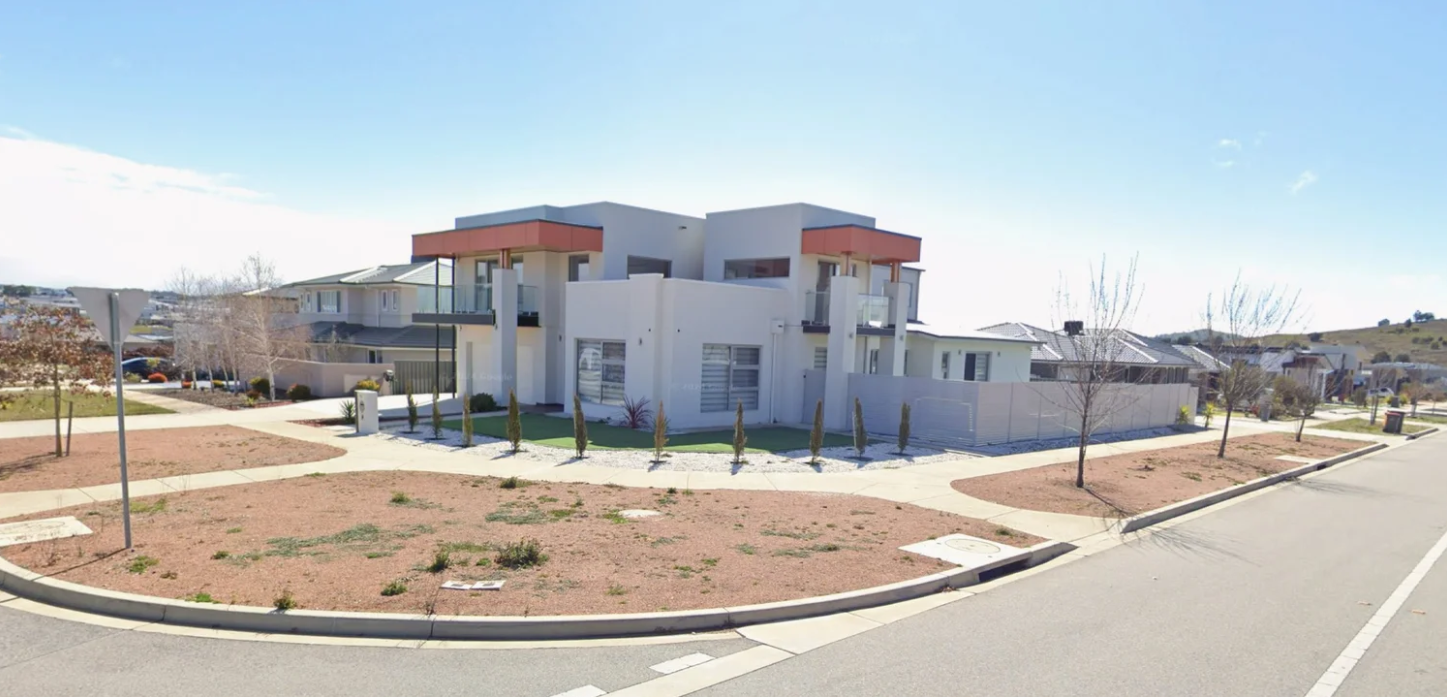
The corner block location made the most of a two storey layout with a clean parapet facade and a feature stone cladding column. Rather than applying premium finishes across the entire exterior, cladding was used selectively to create visual impact while keeping the overall material cost controlled. Key Features
Practical yet spacious living, with four bedrooms and an upstairs rumpus fitted with a kitchenette and balcony, avoiding overcrafted structural details while still offering flexible living space.
Smart open plan design, connecting meals, lounge, and family areas to the alfresco through stacker windows, reducing unnecessary internal walls without sacrificing an open, modern feel.
Energy conscious orientation, using nonorth-facingindows and ceceiling-heightlazing to maximise natural light and reduce reliance on artificial heating and lighting.
Selective premium finishes, applying stone cladding only where it delivers the most visual return rather than across the full exterior.
The result was a spacious, contemporary home delivered at a fraction of what a fully custom build of the same size would typically cost in Canberra.
Final Thoughts
Building affordably in Canberra and NSW is not about cutting corners. It comes down to disciplined decisions at each stage, from choosing a cost-effective framing method and a well-prepared site, to selecting durable materials and managing trades efficiently. Families who plan with these factors in mind consistently achieve better outcomes than those who make decisions in isolation as the project unfolds.
At Virk Construction Management, we help clients navigate every one of these decisions under a transparent Open Book model, protecting the budget from planning through to handover. If you are planning a new build, a knockdown rebuild, or comparing your options against a renovation, contact our team for a site assessment and a clear scope tailored to your project.