
Which Grade of OPC is Best? Let’s Find Out

Published by Adeel Virk
Adeel is a founder & project manager at Virk Construction Management, delivering ethical, high-quality residential and commercial projects in NSW and Canberra.
Look, I get it. You are standing in the hardware store, staring at bags of cement, and they all look basically the same. But then you notice the numbers. 33, 43, 53. And suddenly, you are wondering if you are about to make a $500 mistake because you picked the wrong one.
Here is the thing about OPC (Ordinary Portland Cement) grades: there is not actually a "best" one. I know, annoying answer. But it is like asking which tool is best. It depends on what you are building, right?
At Virk Construction Management here in Canberra, we get asked this question constantly. And honestly? Most people overthink it. So let me break down what these numbers actually mean and when you should use each type.
What Do These Numbers Even Mean?
Okay, quick technical bit (I promise to keep it simple).
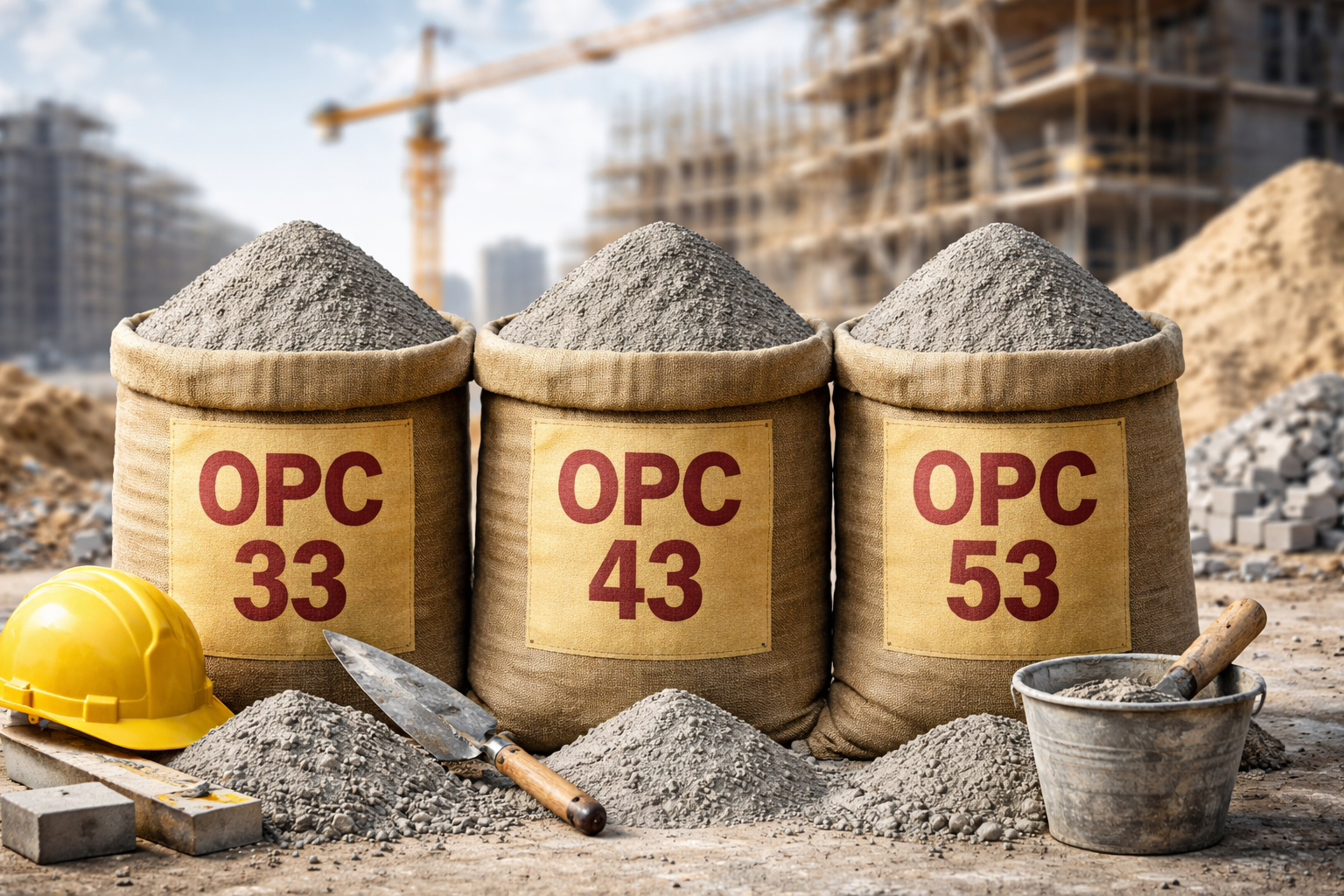
Those numbers? They refer to compressive strength. Basically, how much pressure the cement can handle after 28 days of curing. OPC 33 can handle 33 megapascals of pressure. OPC 43 handles 43. OPC 53 handles 53.
A higher number equals stronger cement. Simple enough.
But here is where it gets interesting. Stronger does not always mean better for your project. Sometimes it is overkill. Sometimes it actually causes problems. And sometimes, yeah, you absolutely need that extra strength.
Think of it like buying a car. You could get a Ferrari. But if you are driving to the shops in Civic, maybe the Toyota does the job just fine and saves you a heap of cash. The same logic applies here.
OPC 33 Grade: The Steady Workhorse
This is your basic, reliable option. Not flashy, but it gets the job done for most residential work.
When to use OPC 33:
Regular home construction (single or double storey)
Plastering work
General masonry
Most DIY projects around the house
Non-structural applications
Garden paths and decorative work
Brickwork for standard walls
The thing about OPC 33 is that it sets slower than the higher grades. Which sounds like a negative, but it is actually a benefit for certain jobs. That slower setting time means you have more wiggle room to work with it. Less stress, more time to get things right.
In Canberra's climate, where we get those cold winters, OPC 33 can be a solid choice for standard residential work. It is also the most budget-friendly option, which matters when you are doing a big project.
Here is something else nobody mentions. That slower setting time? It generates less heat while curing. Less heat means less chance of cracking. For plastering work or decorative elements where appearance matters, this is actually really valuable. You do not want cracks in your freshly plastered wall because the cement got too hot and contracted weirdly.
The downsides? It takes longer to gain strength. If you are in a hurry or need high early strength, this might frustrate you. Also not ideal for structural elements that bear heavy loads. And in commercial construction, where time really is money, waiting around for OPC 33 to cure can mess with your schedule.
But for the average homeowner doing repairs or small projects? This grade is perfectly fine. You do not need industrial-strength cement to fix your front step.
OPC 43 Grade: The Sweet Spot for Most Projects
This is probably what you want for most construction work. It is the middle ground that handles a wide range of applications without being unnecessarily expensive.
When to use OPC 43:
Multi-storey residential buildings
Commercial construction
RCC (reinforced concrete) work
Beams, columns, and slabs
Prestressed concrete
Roads and pavements
Anywhere you need decent strength but not extreme loads
Driveways that will see regular vehicle traffic
Retaining walls
Foundation work for standard buildings
OPC 43 has become the standard for most construction in Australia. It develops strength faster than OPC 33, which means you can remove formwork sooner and keep your project moving. Time is money, especially in construction.
For most home renovations or builds in the ACT region, this is your go-to. It handles our weather conditions well and provides enough strength for typical structural requirements without going overboard.
The real advantage? Versatility. You can use it for both structural and non-structural work. One type of cement for multiple applications means less confusion on site and fewer chances of mix-ups.
I have seen projects where people used different grades for different parts of the same building. Sounds smart, right? Save money on the non-structural bits. But then someone grabs the wrong bag, mixes it wrong, and suddenly you have a quality control nightmare. Using OPC 43 throughout? Yeah, you pay a bit more. But you sleep better at night knowing everything meets structural requirements.
Plus, OPC 43 gives you more flexibility with the weather. Winter in Canberra can be brutal. OPC 33 might be too slow in those conditions. OPC 43 keeps things moving without the extreme heat issues of OPC 53.
OPC 53 Grade: The Heavy Hitter
This is the strong one. Really strong. But do you actually need it? Maybe not.
When to use OPC 53:
High-rise buildings
Heavy industrial structures
Bridges and infrastructure
Prestressed concrete where high early strength matters
Projects with aggressive timelines
Situations requiring high durability
Marine structures exposed to saltwater
Roads and highways with heavy vehicle loads
Precast concrete elements
Repair work where quick strength gain matters
OPC 53 gains strength fast. Like, really fast. Within 7 days, it often reaches the strength that OPC 43 reaches in 28 days. This matters when you are building something big and cannot wait around.
I have worked on commercial projects where the contractor paid extra for OPC 53 just to shave a week off the schedule. Made financial sense because they could move to the next phase faster and avoid paying rent on equipment for an extra week. But that was a calculated decision with actual numbers behind it.
But here is the catch. That rapid strength gain generates more heat during curing. In hot weather (and yes, Canberra gets hot in summer), this can actually cause problems. Thermal cracking becomes a real risk if you are not careful. You need to manage the curing process more carefully, which means more time, attention, and sometimes extra cost.
During a 35-degree day in January? Using OPC 53 without proper curing methods is asking for trouble. You will need to keep it wet, maybe use curing compounds, possibly even cover it with wet hessian. All of that takes effort and materials.
For most residential projects? Honestly, it is overkill. You are paying more for strength you do not need. Unless you are building some kind of fortress or have specific engineering requirements, stick with OPC 43.
The Stuff That Actually Affects Your Choice
Beyond just strength numbers, there are practical considerations that matter way more than the spec sheet.
1. Setting Time and Your Schedule
How fast cement sets changes everything about how you work with it. OPC 33 gives you maybe an hour or more to work with fresh concrete. OPC 53? You have less time before it starts going off. If you are working alone or learning as you go, that extra time with OPC 33 can save your project.
2. Storage Reality
Here is something that catches people out. You bought the right grade, great. But then it sits in your garage for three months, getting damp. Cement absorbs moisture from the air. Even in sealed bags. After a while, it starts losing strength. Fresh cement matters more than you think.
If you are doing a project in stages, do not buy all your cement at once just because it was on sale. Buy what you need for the next few weeks. Store it off the ground, keep it dry, use it fresh.
3. Mixing Ratios Change Everything
This is huge. The grade matters, sure. But if you mess up the mix ratio, you have wasted your money anyway. Too much water? Your concrete will be weak no matter what grade you used. Not enough? It will not cure properly.
OPC 53 needs less cement in the mix to achieve the same strength as OPC 43. Sounds great, except now you need to actually measure things properly. Eyeballing it does not work. If you are not used to following precise mixing ratios, starting with OPC 43 or 33 is safer because they are more forgiving.
4. Weather Is Not Optional
Canberra weather does weird things. We can hit 40 degrees in summer and drop below freezing in winter. Both extremes mess with cement.
Hot weather makes cement set faster. That rapid setting can cause surface cracking if you are not on top of curing. Cold weather slows everything down. Below 5 degrees, cement basically stops curing properly.
Summer projects? You might actually want a slower-setting grade (OPC 33 or 43) to give yourself more working time. Winter? OPC 43 or 53 keeps things moving when temperatures drop.
5. The Cost Reality Check
OPC 33 isthe cheapest. OPC 53 is the most expensive. The difference might be 20-30% in price. On a small project, who cares? On a big project? That adds up fast.
But here is the thing. Cheap cement that fails is more expensive than good cement that works. Do not cheap out on structural work. Just do not. But also do not waste money on excessive strength you will never need.
What Actually Matters for Your Canberra Project
Forget the technical specs for a minute. Here is what you should actually think about:
Your timeline: In a hurry? Higher grades set faster. Have time to let things cure properly? Lower grades work fine and save money.
Your budget: OPC 53 costs more than OPC 43, which costs more than OPC 33. Simple math. Do not overspend on strength you will not use.
Your structure: Single-storey home? OPC 33 or 43. Multi-storey? OPC 43. High-rise or heavy industrial? OPC 53.
The season: Building in winter when it is cold? Lower grades might set too slowly. Summer heat? Higher grades might cure too fast and crack.
Who is doing the work: Professional contractors can handle any grade. DIY weekend warrior? Stick with OPC 33 or 43 for the extra working time.
The Honest Truth from the Job Site
After years of doing construction management around Canberra, here is what I have noticed. Most projects use OPC 43. Not because it is necessarily "the best" but because it handles almost everything you throw at it without drama.
People get hung up on specifications and forget about practical reality. Sure, OPC 53 is stronger. But if your engineer specified OPC 43, using OPC 53 does not make your building safer. It just makes it more expensive. And potentially introduces curing complications you did not need.
On the flip side, trying to save money by using OPC 33 for structural work? Bad idea. Really bad idea. There is a reason engineers specify certain grades. Those specifications exist because someone did the math on loads and stresses and safety factors.
I have seen people try to mix grades on the same project to save money. Use OPC 53 for columns, OPC 43 for slabs, and OPC 33 for non-structural bits. Sounds clever. Usually ends in confusion, delays, and someone using the wrong grade in the wrong place. The money you save is not worth the headache.
Making Your Decision
Here is my actual advice: talk to your engineer or builder before you buy cement. I know, boring answer. But cement grade is not something you should guess at.
If you are doing simple, non-structural work around your house? OPC 33 is probably fine and will save you money. Building something proper? OPC 43 handles most situations. Only go for OPC 53 if you have specific engineering reasons or timeline requirements that demand it.
And one more thing. Whatever grade you choose, store it properly. Cement hates moisture. Keep it dry, use it fresh, and follow proper mixing ratios. The best cement grade in the world will not help if you mix it wrong or let it get damp in storage.
At Virk Construction Management, we match cement grades to projects, not the other way around. Every building has different requirements. Cookie-cutter answers do not work in construction. But understanding what these grades actually do? That helps you have better conversations with your builder and make smarter decisions for your project.