
How Does Knockdown Rebuild Work in Canberra?

Published by Adeel Virk
Adeel is a founder & project manager at Virk Construction Management, delivering ethical, high-quality residential and commercial projects in NSW and Canberra.
Canberra homes built in the 1960s and 1970s were designed for a different way of life. Small bedrooms, closed kitchens, and single bathrooms no longer suit most families today. Many homeowners in the ACT are now choosing to demolish these older homes and build fresh instead of renovating around old bones.
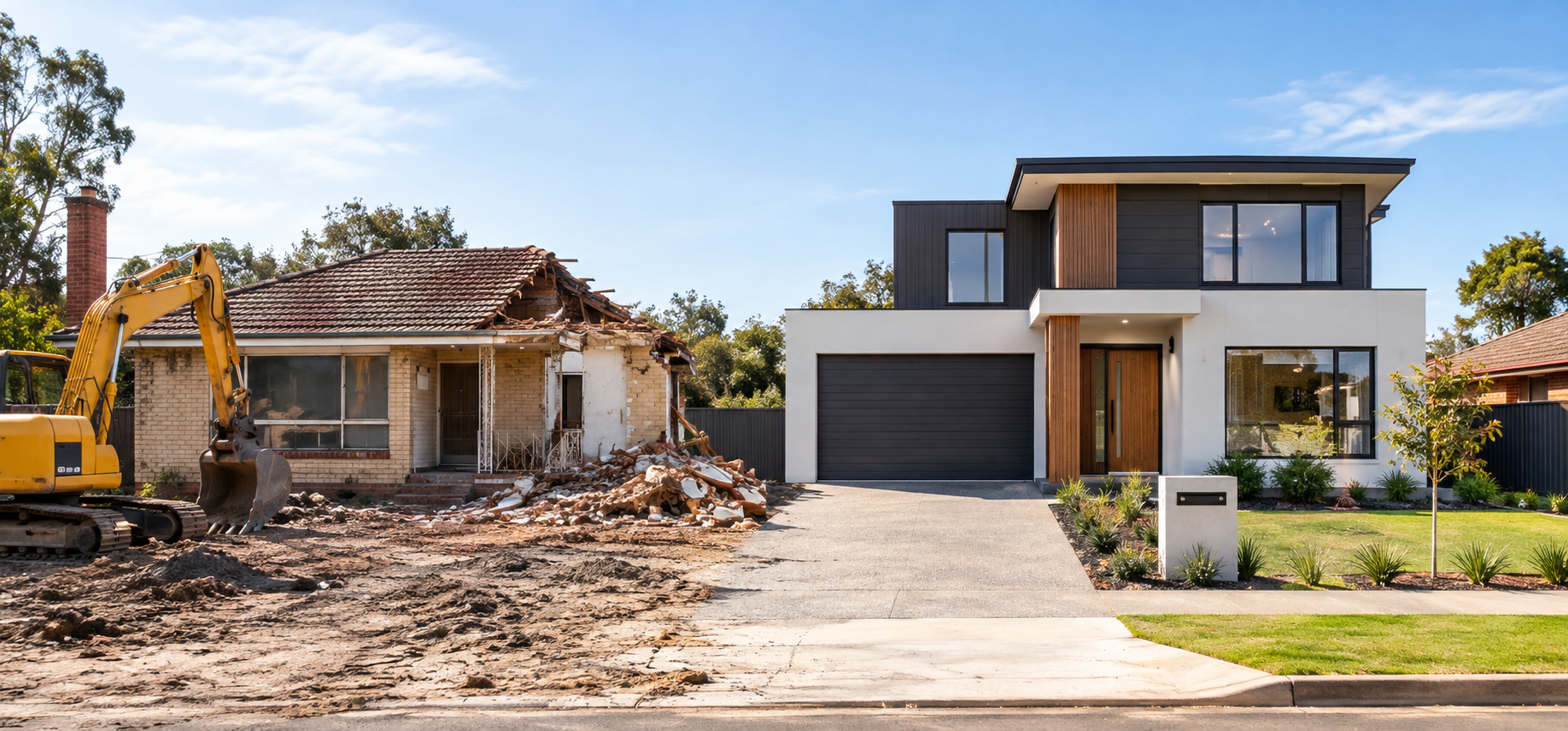
A knockdown rebuild replaces an existing house with a brand new one on the same block. The land stays yours. The address stays the same. Only the structure changes. For Canberra residents who love their suburb but not their floor plan, this option solves a real problem without forcing a move.
This guide walks through how the process actually works in the ACT, what makes it different from other states, and where most homeowners get caught out.
What a Knockdown Rebuild Actually Involves?
A knockdown rebuild has two clear phases. First, the existing dwelling is demolished and cleared from the site. Second, a new home is designed and constructed in its place.
It differs from a renovation because nothing from the old structure is kept. Footings, walls, and roofing are all removed. This gives the homeowner a completely blank canvas, built to current building codes and current lifestyle needs.
In Canberra specifically, this also means the new build is assessed against present-day planning rules, not the rules that applied when the original house went up decades ago.
Why Canberra Homeowners Choose This Over Renovating?
Established Canberra suburbs such as Lyneham, Ainslie, and O'Connor sit close to the city, schools, and transport. Land in these areas holds strong value, but the existing houses often cannot support a modern layout without major structural work.
Renovating an older ACT home frequently uncovers hidden costs. Asbestos removal, outdated wiring, and weak foundations can turn a modest renovation budget into something far larger. A knockdown rebuild avoids these surprises because everything old is removed and everything new is built to current standards.
Common reasons Canberra homeowners choose a rebuild instead of a renovation include the following.
Keeping a location they already love, close to work and school
Avoiding the guesswork of what problems sit behind old walls
Gaining a home built to current energy efficiency requirements
Designing a layout suited to how the family actually lives now
Increasing the long term value of the property
The Step-by-Step Knockdown Rebuild Process in Canberra?
1. Site Assessment and Feasibility
The process starts with a site visit. A builder checks block slope, tree coverage, drainage, and access for demolition equipment. Orientation matters here too, since it affects how the new design captures sun through Canberra's cold winters. Soil conditions get noted as well, because reactive clay is common across many ACT suburbs and can influence footing design later. This step confirms whether a rebuild is realistic before any money goes toward design work, and it often reveals block advantages that a generic online estimate would never pick up.
2. Design and Development Approval
Once the site is assessed, a designer prepares plans suited to the block and the household's needs. In the ACT, most knockdown rebuilds require Development Approval, since the project is treated as a new dwelling under current planning legislation rather than under whatever rules applied when the original house was built. This stage checks the design against zoning rules, height limits, setbacks, and any bushfire or heritage overlays that apply to the block. A well prepared application at this point reduces the chance of a council request for changes, which can otherwise add weeks to the schedule.
3. Demolition Approval and Site Clearing
A separate demolition permit is required before the old house comes down. This covers safe removal of hazardous materials such as asbestos, along with disconnection of gas, water, and electricity through the relevant utility providers. Older Canberra homes built before the mid 1980s often contain asbestos in eaves, flooring, or fencing, so a proper hazard survey at this stage protects both workers and neighbouring properties. Only after this approval is granted can demolition legally begin, and skipping this step can lead to significant fines under ACT regulations.
4. Demolition
Demolition itself is usually quick, often completed within one to two weeks depending on the size of the original house. Licensed contractors clear debris, remove the slab or footings, and prepare the block for construction. Fencing, dust suppression, and traffic management are set up first to keep the surrounding street safe during works. The team protects site access and neighbouring properties throughout this stage, and sometimes salvages reusable materials such as bricks or timber before clearing the rest of the structure.
5. Construction
With the block cleared, construction begins. This is the longest phase of the project, generally running between seven and nine months depending on design complexity and the builder's schedule. Canberra's cold climate also affects this stage, since Zone 7 energy requirements call for thicker insulation, higher performing glazing, and careful sealing around doors and windows. Weather can slow certain trades during winter months, so an experienced local builder sequences the build to keep concrete pours and roofing work ahead of the coldest weeks wherever possible.
6. Final Inspection and Handover
Once construction finishes, the build undergoes certification checks against the National Construction Code before the keys are handed over. An independent building inspector typically reviews structural work, waterproofing, and electrical safety before final sign off is issued. Any defects identified during this stage are addressed before the homeowner moves in, and a documented defects list gives both parties a clear record. This final walkthrough is also the right time to confirm that all approved variations match what was actually built on site.
Typical Knockdown Rebuild Timeline in Canberra (by Stage)
Weeks by Project Stage
The chart above sets out a realistic breakdown of how these stages typically stack up on the calendar for an ACT project.
The Crown Lease Factor Most Guides Skip
Most articles on this topic explain approvals and demolition steps, but few mention what makes Canberra genuinely different from the rest of Australia. Land here is not freehold. It sits under a Crown lease system, and that detail matters more than most homeowners realise once demolition is involved.
What Crown Lease Covenants Actually Require
Every ACT property sits on a 99-year Crown lease rather than being owned outright. Attached to that lease are covenants that govern how the land must be used and developed. These covenants do not disappear once an old house is demolished. They remain tied to the block itself, and a knockdown rebuild is treated as fresh development under current lease terms.
This means the rebuild must meet whatever building and development conditions apply to that lease today, even if the original house was built under older, looser rules decades earlier.
Why This Timing Detail Catches People Out
Crown lease covenants often set expectations around commencing and completing construction within defined windows once a redevelopment begins. A vacant block left sitting for too long after demolition can draw attention from ACT authorities, since the leasehold system was designed to prevent land from sitting idle.
Homeowners planning a knockdown rebuild in Canberra should confirm demolition and construction timing with their builder early, rather than assuming the block can sit empty indefinitely between stages. A construction management company familiar with ACT lease obligations will factor this into scheduling from the outset, so the project keeps moving in line with what the lease actually requires.
What a Knockdown Rebuild Costs in Canberra
Costs vary based on block size, design complexity, and finish level. The table below gives a realistic starting point for ACT projects in 2026.
| Cost Item | Typical Range (AUD) |
|---|---|
| Demolition and site clearing | $25,000 to $45,000 |
| Design and Development Approval | $8,000 to $20,000 |
| Construction (standard finish) | $350,000 to $650,000 |
| Energy efficiency upgrades (Zone 7 compliance) | $10,000 to $15,000 |
| Landscaping and driveway | $15,000 to $35,000 |
| Total project range | $440,000 to $850,000+ |
Canberra's cold climate pushes energy compliance costs higher than in warmer capital cities. Insulation, double glazing, and efficient heating are standard requirements here, not optional extras.
Common Challenges During a Canberra Knockdown Rebuild
Even well-planned projects run into obstacles. Knowing these ahead of time helps homeowners avoid delays.
Bushfire or flooding overlays that require additional design work
Tree preservation rules that restrict where new structures can sit
Permit processing times that vary between four and ten weeks depending on the suburb
Utility disconnection delays before demolition can begin
Stormwater management requirements tied to ACT sustainability standards
A builder who manages these issues proactively keeps the project on schedule and avoids costly rework later.
Choosing the Right Builder for Your Rebuild
The right partner for a knockdown rebuild in Canberra does more than swing a hammer. They coordinate approvals, manage trades, and keep the project aligned with ACT planning and lease requirements from day one. Ask any prospective builder how many ACT knockdown rebuilds they have completed, and request references from recent projects in your area.
A builder who understands local zoning, Crown lease conditions, and Zone 7 energy rules will save time and reduce the risk of costly design changes mid-project.
Frequently Asked Questions
Does a knockdown rebuild need council approval in the ACT?
Yes, both demolition and construction require separate approvals before you can legally start work on the block.
How long does the whole process take?
Most Canberra knockdown rebuilds run between eight and twelve months from site assessment through to handover, depending on design complexity.
Can I rebuild two dwellings instead of one?
Recent ACT planning reforms now allow two or more dwellings on many standard residential blocks over 800 square metres, which has made rebuilds more financially attractive for some homeowners.
Ready to Start Your Knockdown Rebuild?
Planning a knockdown rebuild in Canberra takes local knowledge of ACT approvals, Crown lease obligations, and construction scheduling. Virk Construction Management guides Canberra homeowners through every stage of the process, from site assessment through to final handover. Reach out to Virk Construction Management to discuss your block and start planning your Knockdown Rebuild Canberra project with a team that understands the local requirements.